接口广告
摩熵化学
数据开放平台 数据库官网
小程序
打开微信扫一扫
首页 分子通 化学资讯 化学百科 反应查询 关于我们
请输入关键词

没食子酸丙酯 | 121-79-9

中文名称
没食子酸丙酯
中文别名
五倍子酸丙酯;倍酸丙酯;棓丙酯;棓酸丙酯;3,4,5-三羟基苯甲酸正丙酯;丙基-3,4,5-三羟基苯甲酸酯;五棓子酸丙酯;没食子酸正丙酯;3,4,5-三羟基苯甲酸丙酯
英文名称
Propyl gallate
英文别名
n-propyl gallate;gallic acid propyl ester;propyl 3,4,5-trihydroxybenzoate
没食子酸丙酯化学式
CAS
121-79-9
化学式
C10H12O5
mdl
MFCD00002196
分子量
212.202
InChiKey
ZTHYODDOHIVTJV-UHFFFAOYSA-N
BEILSTEIN
——
EINECS
——
  • 物化性质
  • 计算性质
  • ADMET
  • 安全信息
  • SDS
  • 制备方法与用途
  • 上下游信息
  • 反应信息
  • 文献信息
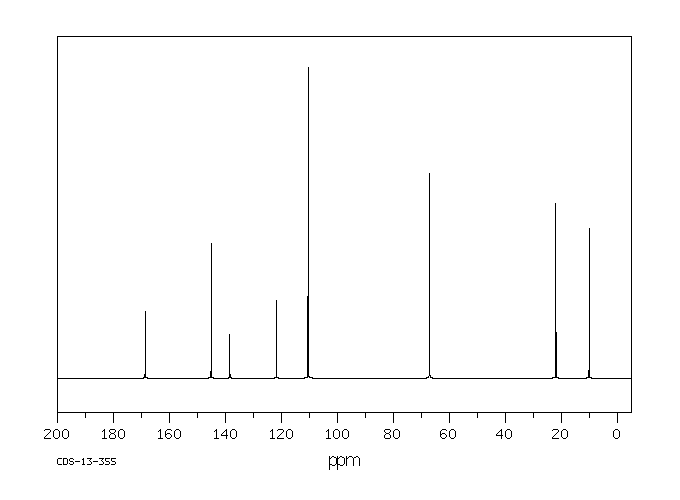
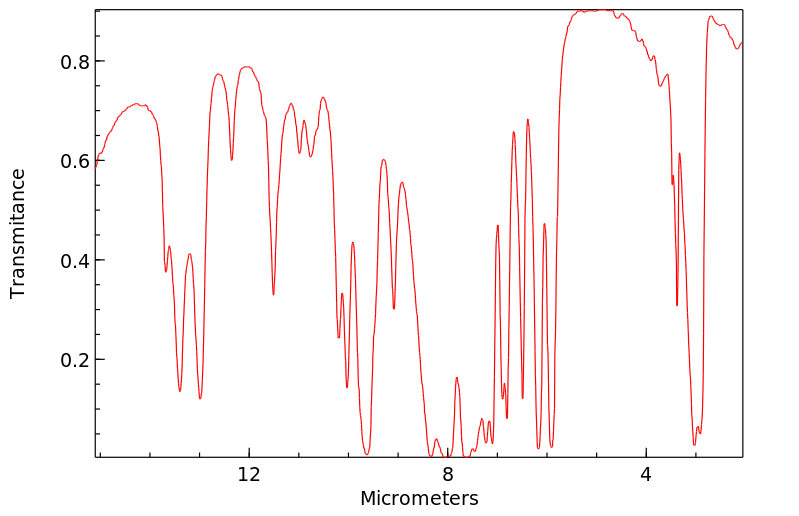
  • 表征谱图
  • 同类化合物
  • 相关功能分类
  • 相关结构分类

物化性质

  • 熔点:
    146-149 °C(lit.)
  • 沸点:
    312.03°C (rough estimate)
  • 密度:
    1.210
  • 闪点:
    187℃
  • 溶解度:
    乙醇:50 mg/mL
  • LogP:
    1.8
  • 物理描述:
    Propyl gallate appears as fine white to creamy-white crystalline powder. Odorless or with a faint odor. Melting point 150°C. Insoluble in water. Slightly bitter taste.
  • 颜色/状态:
    White to creamy-white crystalline powder
  • 气味:
    Odorless
  • 味道:
    Slightly bitter taste
  • 蒸汽密度:
    7.3 (NTP, 1992) (Relative to Air)
  • 蒸汽压力:
    2.6X10⁻⁷ mm Hg at 25 °C (est)
  • 稳定性/保质期:

    当有盐存在时,颜色会变深。在不同温度和溶剂中的溶解度如下:

    • 25℃:中0.35g/100ml,乙醇中103g/100g,乙醚中83g/100g。
    • 30℃时在棉子油中溶解度为1.23g/100g。
    • 45℃时在猪脂中的溶解度为1.14g/100g。

    该物质低毒,但超过150℃会分解。光线也会促进其分解。热稳定性较好,易溶于乙醇乙醚丙酮,但在氯仿、脂肪烃和中不易溶解。

  • 分解:
    When heated to decomposition it emits acrid smoke and irritating fumes.
  • 解离常数:
    pKa = 7.94

计算性质

  • 辛醇/水分配系数(LogP):
    1.8
  • 重原子数:
    15
  • 可旋转键数:
    4
  • 环数:
    1.0
  • sp3杂化的碳原子比例:
    0.3
  • 拓扑面积:
    87
  • 氢给体数:
    3
  • 氢受体数:
    5

ADMET

代谢
对大鼠和家兔进行口服给药时,没食子酸丙酯迅速被代谢和排泄。...当喂给大鼠时,大部分没食子酸丙酯以原始酯的形式通过粪便排出。检测到的尿液成分是原始酯和没食子酸,这些物质在24小时内完全排泄。当口服给药给家兔时,给药剂量的79%的没食子酸丙酯通过尿液排出,其中72%为4-甲氧基没食子酸葡萄糖苷酸和6.7%为未结合的酚类化合物。次要代谢物包括Pyrogallol(自由型和结合型)和自由的4-甲氧基没食子酸
Propyl gallate was quickly metabolized and excreted when administered orally to rats and rabbits. ...When fed to rats, most of the propyl gallate was passed in the feces as the original ester. The urinary components detected were the original ester and gallic acid, and these were excreted completely within 24 hours. When administered orally to rabbits, 79 percent of the administered dose of propyl gallate was excreted in the urine, 72 percent as 4-methoxygallic acid glucuronide and 6.7 percent as unconjugated phenolic compounds. Minor metabolites included pyrogallol (free and conjugated) and free 4-methoxy gallic acid.
来源:Hazardous Substances Data Bank (HSDB)
代谢
在大鼠中,口服剂量的一部分对丙基没食子酸在胃肠道中被吸收。在活体中,没食子酸酯被解为没食子酸和自由醇。自由醇通过克雷布斯循环进行代谢,大部分的没食子酸转化成4-O-甲基没食子酸。自由的没食子酸或4-O-甲基没食子酸的结合衍生物通过尿液排出。在大鼠的粪便中排出了大量的未改变的酯。在猪中,其代谢过程与大鼠相似。
In rats, /SRP: some/ of an oral dose of propyl gallate is absorbed in the GI tract. In vivo, the gallate esters are hydrolized to gallic acid and free alcohol. Free alcohol is metabolized through the Krebs cycle, and most of the gallic acid is converted into 4-O-methyl gallic acid. Free gallic acid or a conjugated derivative of 4-O-methyl gallic acid is excreted in the urine. Significant amounts of unchanged esters are excreted in the feces of rats. In pigs, the metabolism is similar to rats.
来源:Hazardous Substances Data Bank (HSDB)
代谢
现有证据表明,没食子酸酯在体内被解为没食子酸。大部分没食子酸转化为4-O-甲基没食子酸。游离的没食子酸或4-O-甲基没食子酸的共轭衍生物通过尿液排出。已经证明4-O-甲基没食子酸葡萄糖醛酸发生共轭反应...。
The available evidence indicates that the gallate esters are hydrolyzed in the body to gallic acid. Most of the gallic acid is converted into 4-O-methyl gallic acid. Free gallic acid or a conjugated derivative of 4-O-methyl gallic acid is excreted in the urine. Conjugation of the 4-O-methyl gallic acid with glucuronic acid was demonstrated ... .
来源:Hazardous Substances Data Bank (HSDB)
代谢
在体外培养中,使用了丙基、辛基和月桂基没食子酸酯与肝脏匀浆、小肠粘膜匀浆以及盲肠/结肠内容物(作为肠道微生物的来源)进行反应。各种匀浆在37°C下与单独的没食子酸酯进行培养。在长达24小时的不同时间点,取样并通过高效液相色谱法进行分析。...所有测试物质都被小肠粘膜匀浆广泛代谢。...此外,盲肠和结肠内容物也显示出较高的代谢能力,尤其是对丙基没食子酸酯。在培养中检测到的没食子酸量总是比酯总量减少的量小得多。似乎除了酯键的解之外,其他生物转化途径...对所有三种没食子酸酯都至关重要。
In vitro incubations with propyl, octyl and dodecyl gallate were performed using homogenates of liver, mucosa of the small intestine, and contents of caecum/colon as a source of intestinal microflora. The various homogenates were incubated at 37 °C with the individual gallate esters. At various time points up to 24 hr, samples were taken and analyzed by HPLC. ... All test substances were extensively metabolized by the homogenate of the intestinal mucosa. ... Furthermore, the caecum and colon contents also showed a high metabolic capacity, especially towards propyl gallate. The amt of gallic acid detected in the incubations was always much smaller than the total decrease of the amt of ester. It seems likely that apart from hydrolysis of the ester bond, other biotransformation routes ... are of major importance for all three gallate esters.
来源:Hazardous Substances Data Bank (HSDB)
毒理性
  • 毒性总结
鉴定和使用:没食子酸丙酯是一种白色到乳白色的结晶性粉末。它被用作食品和化妆品的抗氧化剂;特别是脂肪、油、乳液和蜡。它用于变压器油中,并作为合成维生素A的稳定剂。它还用作实验性药物。人类暴露和毒性:在过去的十年里,斑贴试验中没食子酸丙酯阳性率的统计学显著增加已有报道。没食子酸丙酯在10名患者中的5名引起了接触性皮炎。患者每天在前臂涂抹含有20%没食子酸丙酯的70%乙醇溶液,连续使用24天。5名患者抱怨有瘙痒和红斑。在体外实验中,使用WI-38人类胚胎肺细胞,在0.5、5.0和50微克/毫升的浓度下研究了没食子酸丙酯对有丝分裂异常的影响。没食子酸丙酯没有致突变性。 动物研究:在一项为期4周的口服毒性研究中,大鼠摄入了含0%、0.1%、0.5%或2.5%没食子酸丙酯的饲料。在摄入最高剂量的大鼠中,观察到体重增加减少了超过10%,尾巴变脏,胃壁增厚,胃黏膜的坏死和溃疡,胃黏膜下层和肌肉壁的轻至重度肉芽肿性炎症反应,贫血,肾脏外髓的肾小管增生,以及肝脏中几种微粒体和细胞质药物代谢酶活性的增加。在摄入0.5%没食子酸丙酯的大鼠中也观察到肝脏药物代谢酶活性的增加。摄入0.1%的大鼠没有观察到效果。喂食含0.02%没食子酸丙酯食物的豚鼠和喂食含0.01%食物一年的狗没有显示出毒性迹象。给大鼠喂食含2.5%没食子酸丙酯的饲料会导致母体毒性轻微影响胎儿发育,但没有观察到致畸效应。在剂量达到250毫克/千克/天的平下,没食子酸丙酯对兔子的器官形成没有影响。在0-0.1毫克/平板的浓度下,没食子酸丙酯在存在代谢激活的情况下对S. typhimurium菌株TA102具有致突变性,但在没有代谢激活的情况下不具有致突变性。给小鼠腹腔注射900毫克/千克没食子酸丙酯在小鼠微核试验中得到了阳性结果。在使用5种Salmonella typhimurium菌株(TA1535、TA1537、TA97、TA98和TA100)在存在和不存在代谢激活的情况下进行的沙门氏菌/微粒体预培养试验中,没食子酸丙酯被检测为不具有致突变性。 生态毒性研究:研究了没食子酸丙酯对四个营养级五个模型系统生物的毒性影响。最敏感的系统是根据总蛋白含量的肝瘤鱼细胞系PLHC-1,其半数效应浓度(EC50)为10微摩尔,72小时的无可见效应浓度(NOAEL)为1微摩尔,其次是大型溞的固定化,抑制费氏弧菌的生物发光,鲑鱼细胞系RTG-2的生长抑制,以及小球藻的生长抑制。
IDENTIFICATION AND USE: Propyl gallate is white to creamy-white crystalline powder. It is used as an antioxidant for foods and cosmetics; especially fats, oils, emulsions, and waxes. It is used in transformer oils and as a stabilizer for synthetic vitamin A. It is also used as experimental medication. HUMAN EXPOSURE AND TOXICITY: Statistically significant increase in propyl gallate-positive rates on patch testing over the last decade have been reported. Propyl gallate produced contact dermatitis in 5 of 10 patients. Patients applied 20% in 70% ethyl alcohol to forearm daily for 24 days. 5 patients complained of pruritus and erythema. Propyl gallate was investigated in vitro at concentration of 0.5, 5.0 and 50 ug/mL employing WI-38 human embryonic lung cells for anaphase abnormalities. Propyl gallate was not mutagenic. ANIMAL STUDIES: In a 4-week oral toxicity study, rats ingested 0%, 0.1%, 0.5%, or 2.5% propyl gallate in feed. In rats ingesting the highest dose, a decrease in weight gain of more than 10%, dirty tails, thickening of the stomach wall, necrosis, and ulceration of the stomach mucosa, a moderate to severe granulomatous inflammatory response in the submucosa and muscular wall of the stomach, anemia, hyperplastic tubuli in the outer medulla of the kidneys, and increased activity of several microsomal and cytoplasmic drug-metabolizing enzymes in the liver were observed. Increased activity of hepatic drug metabolizing enzymes was also noted in rats treated with 0.5% propyl gallate. No effects were noted in those ingesting 0.1%. Guinea pigs fed 0.02% propyl gallate in the diet for 14 months and dogs fed 0.01% for a year showed no signs of toxicity. Administration to rats of 2.5% propyl gallate in the diet caused maternal toxicity and slight retardation of fetal development, but no teratogenic effects. In dose levels up to 250 mg/kg/day, propyl gallate had no effects on organogenesis in rabbits. At a concentration of 0-0.1 mg/plate, propyl gallate was mutagenic in S. typhimurium strain TA102, in the presence, but not the absence, of metabolic activation. An intraperitoneal injection of 900 mg/kg propyl gallate caused a positive result in a mouse micronucleus test. Propyl gallate was found to be negative when tested for mutagenicity using the Salmonella/microsome preincubation assay with 5 Salmonella typhimurium strains (TA1535, TA1537, TA97, TA98, and TA100) in the presence and absence of metabolic activation. ECOTOXICITY STUDIES: The toxic effects of propyl gallate on aquatic organisms were investigated, using five model systems from four trophic levels. The most sensitive system was the hepatoma fish cell line PLHC-1 according to total protein content, with an EC(50) of 10 uM and a NOAEL of 1 uM at 72 hours, followed by the immobilization of Daphnia magna, the inhibition of bioluminescence of Vibrio fischeri, the salmonid fish cell line RTG-2 and the inhibition of the growth of Chlorella vulgaris.
来源:Hazardous Substances Data Bank (HSDB)
毒理性
  • 致癌物分类
对人类不具有致癌性(未被国际癌症研究机构IARC列名)。
No indication of carcinogenicity to humans (not listed by IARC).
来源:Toxin and Toxin Target Database (T3DB)
毒理性
  • 副作用
神经毒素 - 其他中枢神经系统神经毒素
Neurotoxin - Other CNS neurotoxin
来源:Haz-Map, Information on Hazardous Chemicals and Occupational Diseases
毒理性
  • 相互作用
抗氧化剂丙基没食子酸PG)与非有毒的Cu(II)浓度结合可在人成纤维细胞中诱导脂质过氧化。这是通过巴比妥酸法(TBA法)以及检测细胞在CuCl2/PG浓度高于0.125 mM处理1小时后积累的荧光产物来测量的。PG单独使用导致巴比妥酸反应性物质(TBARS)显著减少,显示出其抗氧化性质。PG/Cu(II)诱导脂质过氧化作用的时间过程研究表明,TBARS的形成有一个60分钟的滞后期。之后,TBARS值在1小时内迅速增加,然后达到一个恒定的最大值或略有下降。PG/Cu(II)诱导脂质过氧化可能是由于形成了像活性氧物种(ROS)、Cu(I)和半醌自由基这样的反应性物种,这些物种能够参与脂质过氧化的启动和传播。PG/Cu(II)的复合效应也体现在抑制膜结合的琥珀酸脱氢酶上。细胞溶质酯酶仅受到轻微影响。膜结合酶的更大易感性符合PG/Cu(II)诱导脂质过氧化的作用。
The antioxidant propyl gallate (PG) induced lipid peroxidation in combination with non-toxic Cu(II) concentrations in human fibroblasts. This was measured by the thiobarbituric acid assay (TBA assay) and by detection of accumulating fluorescent products after a 1-hr treatment of cells with CuCl2/PG at concentrations higher than 0.125 mM. PG alone led to a significant reduction of thiobarbituric acid-reactive substances (TBARS) demonstrating its antioxidative properties. Time course studies of lipid peroxidation by PG/Cu(II) showed that formation of TBARS was preceded by a lag phase of 60 min. Thereafter, the TBARS value increased rapidly for 1 hr and then reached a constant maximum or slightly decreased. The induction of lipid peroxidation by PG/Cu(II) is probably due to the formation of reactive species like reactive oxygen species (ROS), Cu(I) and semiquinone radicals which are able to participate in initiation and propagation of lipid peroxidation. Combination effects of PG/Cu(II) were demonstrated also on inhibition of membrane-bound succinate dehydrogenase. Cytosolic esterases were affected only slightly. The greater susceptibility of membrane-bound enzymes is in accordance with the lipid peroxidation-inducing effects of PG/Cu(II).
来源:Hazardous Substances Data Bank (HSDB)
毒理性
  • 相互作用
我们研究了抗氧化剂对40株白念珠菌临床分离株的抗真菌活性的影响。咪唑PG联合使用,其MIC值较单独使用咪唑低10-150倍。这种增强活性的最佳条件是pH 6.2-8.0,真菌细胞浓度低于3 x 10(5)个/mL。咪唑PG之间的相互作用机制尚不清楚,但可能与PG对P-450细胞色素的影响有关。
We looked at the in vitro effect of an antioxidant, propyl gallate (PG), on the antifungal activity of miconazole sulphosalicylate, econazole sulphosalicylate and ketoconazole against 40 clinical isolates of Candida albicans. The combination of imidazole and PG gave MIC values 10-150 times lower than those of imidazole alone. The optimal conditions for this enhanced activity were pH 6.2-8.0 and a fungal cell concentration lower than 3 x 10(5) cells/mL. The mechanism of the interaction between imidazole and PG is not known but may be as a result of an effect of PG on the P-450 cytochrome. ...
来源:Hazardous Substances Data Bank (HSDB)
吸收、分配和排泄
对大鼠和家兔进行口服给药时,没食子酸丙酯迅速被代谢和排泄。...当喂给大鼠时,大部分没食子酸丙酯以原始酯的形式通过粪便排出。检测到的尿液成分是原始酯和没食子酸,这些成分在24小时内完全排泄。当口服给药给家兔时,给药剂量的79%的没食子酸丙酯通过尿液排出,其中72%为4-甲氧基没食子酸葡萄糖苷酸和6.7%为未结合的酚类化合物。次要代谢物包括Pyrogallol(自由型和结合型)和自由的4-甲氧基没食子酸
Propyl gallate was quickly metabolized and excreted when administered orally to rats and rabbits. ...When fed to rats, most of the propyl gallate was passed in the feces as the original ester. The urinary components detected were the original ester and gallic acid, and these were excreted completely within 24 hours. When administered orally to rabbits, 79 percent of the administered dose of propyl gallate was excreted in the urine, 72 percent as 4-methoxygallic acid glucuronide and 6.7 percent as unconjugated phenolic compounds. Minor metabolites included pyrogallol (free and conjugated) and free 4-methoxy gallic acid.
来源:Hazardous Substances Data Bank (HSDB)
吸收、分配和排泄
在大鼠中,口服剂量的一部分对丙基没食子酸在胃肠道中被吸收。在活体中,没食子酸酯被解为没食子酸和自由醇。自由醇通过克雷布斯循环进行代谢,大部分的没食子酸转化为4-O-甲基没食子酸。自由的没食子酸或4-O-甲基没食子酸的共轭衍生物通过尿液排出。大量的未改变的酯在大鼠的粪便中被排出。
In rats, /SRP: some/ of an oral dose of propyl gallate is absorbed in the GI tract. In vivo, the gallate esters are hydrolized to gallic acid and free alcohol. Free alcohol is metabolized through the Krebs cycle, and most of the gallic acid is converted into 4-O-methyl gallic acid. Free gallic acid or a conjugated derivative of 4-O-methyl gallic acid is excreted in the urine. Significant amounts of unchanged esters are excreted in the feces of rats.
来源:Hazardous Substances Data Bank (HSDB)

安全信息

  • TSCA:
    Yes
  • 危险品标志:
    Xn
  • 安全说明:
    S24,S37
  • 危险类别码:
    R22,R43
  • WGK Germany:
    2
  • 海关编码:
    29182950
  • 危险品运输编号:
    NONH for all modes of transport
  • RTECS号:
    LW8400000
  • 危险标志:
    GHS07
  • 危险性描述:
    H302,H317
  • 危险性防范说明:
    P280
  • 包装等级:
    III
  • 危险类别:
    9
  • 储存条件:
    密封于阴凉干燥处避光保存。

SDS

SDS:a3176868cb581c3bac7eea8fdd1877cf
查看
1.1 产品标识符
: 没食子酸丙酯
产品名称
1.2 鉴别的其他方法
3,4,5-Trihydroxybenzoic acid propyl ester
Tenox PG
1.3 有关的确定了的物质或混合物的用途和建议不适合的用途
仅供科研用途,不作为药物、家庭备用药或其它用途。

模块 2. 危险性概述
2.1 GHS分类
急性毒性, 经口 (类别5)
呼吸敏化作用 (类别1)
皮肤敏化作用 (类别1)
2.2 GHS 标记要素,包括预防性的陈述
象形图
警示词 危险
危险申明
H303 吞咽可能有害。
H317 可能导致皮肤过敏反应。
H334 吸入可能导致过敏或哮喘病症状或呼吸困难。
警告申明
预防
P261 避免吸入粉尘/烟/气体/烟雾/蒸气/喷雾.
P272 禁止将受污染的工作服带出工作场地.
P280 戴防护手套。
P285 如通风不足,须戴呼吸防护面罩。
措施
P302 + P352 如与皮肤接触,用大量肥皂和冲洗受感染部位.
P304 + P341 如误吸入:如呼吸困难,将受害人转移到空气新鲜处,保持呼吸舒适的休
息姿势。
P321 具体治疗(见本标签上提供的急救指导)。
P333 + P313 如发生皮肤刺激或皮疹:求医/ 就诊。
P342 + P311 如有呼吸系统病症:呼叫解毒中心或医生。
P363 沾染的衣服清洗后方可重新使用。
处理
P501 将内容物/ 容器处理到得到批准的废物处理厂。
2.3 其它危害物 - 无

模块 3. 成分/组成信息
3.1 物 质
: 3,4,5-Trihydroxybenzoic acid propyl ester
别名
Tenox PG
: C10H12O5
分子式
: 212.2 g/mol
分子量
组分 浓度或浓度范围
Propyl 3,4,5-trihydroxybenzoate
-
CAS 号 121-79-9
EC-编号 204-498-2
索引编号 607-198-00-3

模块 4. 急救措施
4.1 必要的急救措施描述
一般的建议
请教医生。 出示此安全技术说明书给到现场的医生看。
吸入
如果吸入,请将患者移到新鲜空气处。 如果停止了呼吸,给于人工呼吸。 请教医生。
皮肤接触
用肥皂和大量的冲洗。 请教医生。
眼睛接触
冲洗眼睛作为预防措施。
食入
切勿给失去知觉者从嘴里喂食任何东西。 用漱口。 请教医生。
4.2 主要症状和影响,急性和迟发效应
据我们所知,此化学,物理和毒性性质尚未经完整的研究。
4.3 及时的医疗处理和所需的特殊处理的说明和指示
无数据资料

模块 5. 消防措施
5.1 灭火介质
灭火方法及灭火剂
雾,耐醇泡沫,干粉或二氧化碳灭火。
5.2 源于此物质或混合物的特别的危害
碳氧化物
5.3 给消防员的建议
如必要的话,戴自给式呼吸器去救火。
5.4 进一步信息
无数据资料

模块 6. 泄露应急处理
6.1 人员的预防,防护设备和紧急处理程序
使用个人防护设备。 防止粉尘的生成。 防止吸入蒸汽、气雾或气体。 保证充分的通风。
将人员撤离到安全区域。 避免吸入粉尘。
6.2 环境保护措施
不要让产物进入下道。
6.3 抑制和清除溢出物的方法和材料
收集、处理泄漏物,不要产生灰尘。 扫掉和铲掉。 存放进适当的闭口容器中待处理。
6.4 参考其他部分
丢弃处理请参阅第13节。

模块 7. 操作处置与储存
7.1 安全操作的注意事项
避免接触皮肤和眼睛。 防止粉尘和气溶胶生成。
在有粉尘生成的地方,提供合适的排风设备。
7.2 安全储存的条件,包括任何不兼容性
贮存在阴凉处。 容器保持紧闭,储存在干燥通风处。
7.3 特定用途
无数据资料

模块 8. 接触控制和个体防护
8.1 容许浓度
最高容许浓度
没有已知的国家规定的暴露极限。
8.2 暴露控制
适当的技术控制
按照良好工业和安全规范操作。 休息前和工作结束时洗手。
个体防护设备
眼/面保护
面罩與安全眼鏡请使用经官方标准如NIOSH (美国) 或 EN 166(欧盟) 检测与批准的设备防护眼部。
皮肤保护
戴手套取 手套在使用前必须受检查。
请使用合适的方法脱除手套(不要接触手套外部表面),避免任何皮肤部位接触此产品.
使用后请将被污染过的手套根据相关法律法规和有效的实验室规章程序谨慎处理. 请清洗并吹干双手
所选择的保护手套必须符合EU的89/686/EEC规定和从它衍生出来的EN 376标准。
身体保护
全套防化学试剂工作服, 防护设备的类型必须根据特定工作场所中的危险物的浓度和含量来选择。
呼吸系统防护
如须暴露于有害环境中,请使用P95型(美国)或P1型(欧盟 英国
143)防微粒呼吸器。如需更高级别防护,请使用OV/AG/P99型(美国)或ABEK-P2型 (欧盟 英国 143)
防毒罐。
呼吸器使用经过测试并通过政府标准如NIOSH(US)或CEN(EU)的呼吸器和零件。

模块 9. 理化特性
9.1 基本的理化特性的信息
a) 外观与性状
形状: 粉末
颜色: 棕灰色
b) 气味
无数据资料
c) 气味阈值
无数据资料
d) pH值
5.7 - 6.3
e) 熔点/凝固点
熔点/凝固点: 146 - 149 °C - lit.
f) 起始沸点和沸程
无数据资料
g) 闪点
187 °C - 闭杯
h) 蒸发速率
无数据资料
i) 易燃性(固体,气体)
无数据资料
j) 高的/低的燃烧性或爆炸性限度 无数据资料
k) 蒸汽压
无数据资料
l) 蒸汽密度
无数据资料
m) 相对密度
1.210 g/cm3
n) 溶性
可溶的
o) n-辛醇/分配系数
辛醇--的分配系数的对数值: 1.51
p) 自燃温度
无数据资料
q) 分解温度
无数据资料
r) 粘度
无数据资料

模块 10. 稳定性和反应活性
10.1 反应性
无数据资料
10.2 稳定性
无数据资料
10.3 危险反应的可能性
无数据资料
10.4 应避免的条件
无数据资料
10.5 不兼容的材料
强氧化剂, 强酸, 强碱, 强还原剂强氧化剂, 强酸, 强碱, 强还原剂
10.6 危险的分解产物
其它分解产物 - 无数据资料

模块 11. 毒理学资料
11.1 毒理学影响的信息
急性毒性
半数致死剂量 (LD50) 经口 - 大鼠 - 3,000 mg/kg
半数致死剂量 (LD50) 腹膜内的 - 大鼠 - 380 mg/kg
备注: 行为的:抽搐或对癫痫阈值的影响