接口广告
摩熵化学
数据开放平台 数据库官网
小程序
打开微信扫一扫
首页 分子通 化学资讯 化学百科 反应查询 关于我们
请输入关键词

水合氯醛 | 302-17-0

中文名称
水合氯醛
中文别名
氯油;三氯乙醛,水合;2,2,2-三氯-1,1-乙二醇;三氯乙醛水合物;水合三氯乙醛;三氯乙醛,水合物
英文名称
chloral hydrate
英文别名
2,2,2-trichloro-1,1-ethanediol;2,2,2-trichloroethane-1,1-diol;trichloroacetaldehyde hydrate
水合氯醛化学式
CAS
302-17-0
化学式
C2H3Cl3O2
mdl
MFCD00044479
分子量
165.404
InChiKey
RNFNDJAIBTYOQL-UHFFFAOYSA-N
BEILSTEIN
——
EINECS
——
  • 物化性质
  • 计算性质
  • ADMET
  • 安全信息
  • SDS
  • 制备方法与用途
  • 上下游信息
  • 反应信息
  • 文献信息
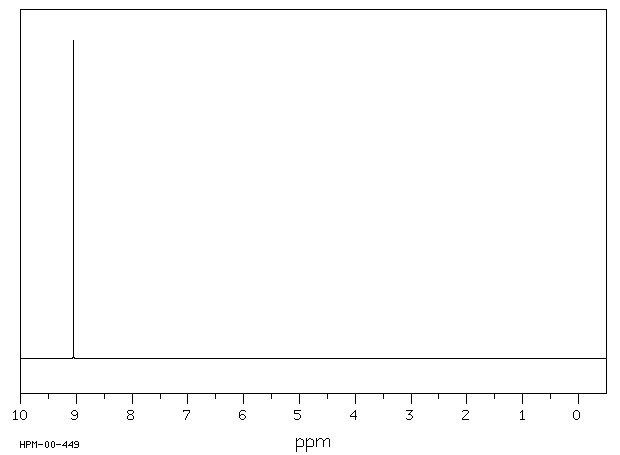
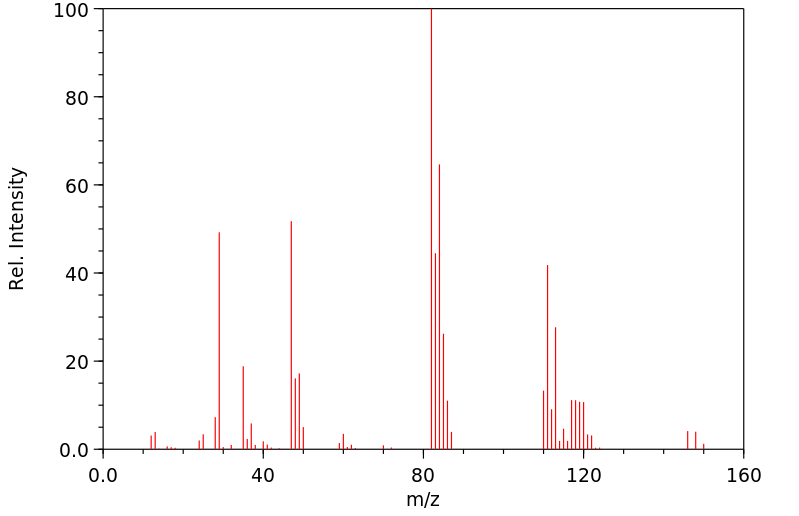
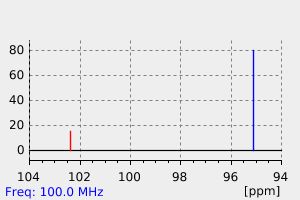
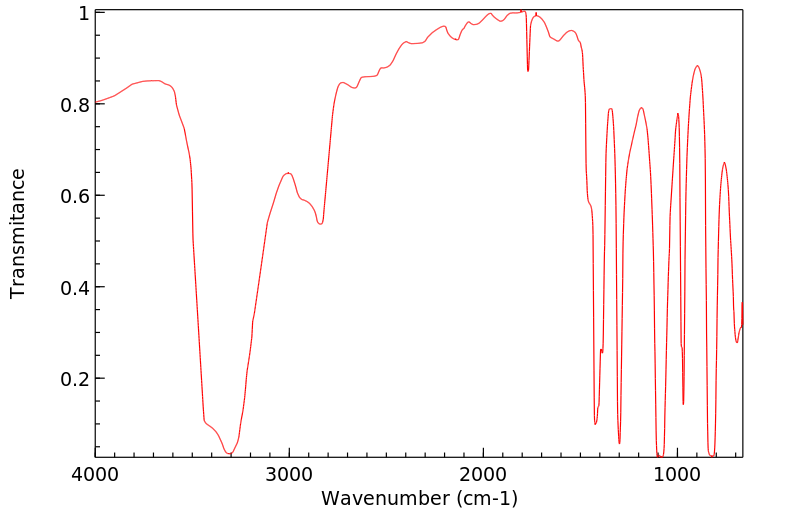
  • 表征谱图
  • 同类化合物
  • 相关功能分类
  • 相关结构分类

物化性质

  • 熔点:
    57 °C(lit.)
  • 沸点:
    97 °C
  • 密度:
    1.43 g/mL at 20 °C
  • 闪点:
    16 °C
  • 溶解度:
    极易溶于水,易溶于乙醇(96%)。
  • 介电常数:
    5.5(15℃)
  • LogP:
    1.092 at 25℃
  • 物理描述:
    Transparent colorless crystals or white crystalline solid. Aromatic penetrating slightly acrid odor and a slightly bitter caustic taste. Alcoholic solution (1 in 20) does not at once redden moistened blue litmus paper. (NTP, 1992)
  • 颜色/状态:
    COLORLESS OR WHITE CRYSTALS
  • 气味:
    Aromatic, penetrating and slightly acrid odor
  • 味道:
    Slightly bitter, caustic taste
  • 蒸汽密度:
    5.1 (Air= 1)
  • 蒸汽压力:
    15 mm Hg at 25 °C
  • 稳定性/保质期:
    • 该物质具有腐蚀性。
    • 接触皮肤或吞食时有毒,可能引起眼睛和皮肤的刺激。
  • 分解:
    97 °C
  • 腐蚀性:
    ... Corrosive to the skin and mucous membrane unless well diluted
  • 保留指数:
    698;698;705;695

计算性质

  • 辛醇/水分配系数(LogP):
    1
  • 重原子数:
    7
  • 可旋转键数:
    0
  • 环数:
    0.0
  • sp3杂化的碳原子比例:
    1.0
  • 拓扑面积:
    40.5
  • 氢给体数:
    2
  • 氢受体数:
    2

ADMET

代谢
被肝脏和红细胞代谢,形成三乙醇,这是一种活性代谢物。这个反应是由醇脱氢酶和其他酶催化的。在肝脏和肾脏中,合物和三乙醇氧化成三氯乙酸的过程也有一定程度的进行。三乙醇还经历葡萄糖醛酸化,产生无活性的代谢物。
Metabolized by the liver and erythrocytes to form trichloroethanol, an active metabolite. This reaction is catalyzed by alcohol dehydrogenase and other enzymes. Oxidation of chloral hydrate and trichloroethanol to trichloroacetic acid in the liver and kidneys also occurs to a lesser extent. Trichloroethanol also undergoes glucuronidation to produce an inactive metabolism.
来源:DrugBank
代谢
三氯乙醛生物转化必须是迅速的,因为在给予志愿者15毫克/千克体重的药物后,甚至在10分钟内采取的第一批样本中,都没有检测到母体化合物。
/Chloral hydrate/ biotransformation to trichloroethanol must be rapid, since no parent compound could be detected in even the first samples taken 10 min after administration of 15 mg/kg bw to volunteers.
来源:Hazardous Substances Data Bank (HSDB)
代谢
水合氯醛被肝脏和红细胞代谢,形成三乙醇(一种活性代谢物)。水合氯醛还原为三乙醇(主要代谢物)的过程由醇脱氢酶和其他酶催化。... 少量但可变的水合氯醛以及更大比例的三乙醇被氧化为三氯乙酸(一种非活性代谢物),主要在肝脏和肾脏中进行。三乙醇还可能与葡萄糖醛酸结合形成三乙醇葡萄糖醛酸苷(尿醛酸),这是一种非活性代谢物。... 尿液中排出的代谢物量在个体间差异很大,甚至在同一人不同天也可能有所不同。
Chloral hydrate is metabolized by the liver and erythrocytes to form trichloroethanol (an active metabolite). The reduction of chloral hydrate to trichloroethanol (the major metabolite) is catalyzed by alcohol dehydrogenase and other enzymes. ... A small but variable amount of chloral hydrate and a larger portion of trichloroethanol are oxidized to trichloroacetic acid (an inactive metabolite), mainly in the liver and kidneys. Trichloroethanol may also be conjugated with glucuronic acid to form trichloroethanol glucuronide (urochloralic acid), an inactive metabolite. ... The quantities of metabolites excreted in the urine appear to be quite variable not only between different individuals but may even vary in the same individual on different days.
来源:Hazardous Substances Data Bank (HSDB)
代谢
在哺乳动物物种中,水合氯醛迅速还原为三乙醇,这种代谢物似乎是药物催眠特性的原因。在啮齿动物中,可以看到一种略有不同的代谢模式,因为水合氯醛直接被氧化成三氯乙酸,而在人类中观察到的从三乙醇三氯乙酸的氧化途径似乎不存在。
In mammalian species, chloral hydrate is rapidly reduced to trichloroethanol, the metabolite that appears to be responsible for the hypnotic properties of the drug. ... In rodents, a slightly different metabolic pattern is seen, as chloral hydrate is oxidized directly to trichloroacetic acid, and the oxidative pathway from trichloroethanol to trichloroacetate that is observed in humans seems to be absent.
来源:Hazardous Substances Data Bank (HSDB)
代谢
由于只有不到50%的服用剂量以代谢物的形式在尿液中回收,因此合物在人体内可能存在尚未知的生物转化反应。
As < 50% of an administered dose of chloral hydrate was recovered as metabolites in urine, yet unknown biotransformation reactions may exist for chloral hydrate in humans.
来源:Hazardous Substances Data Bank (HSDB)
毒理性
  • 毒性总结
识别:水合氯醛在人类和兽药中被用作镇静剂和催眠药。人类暴露:普通公众的主要暴露途径是饮用,因为当饮用消毒时,会形成水合氯醛。由于水合氯醛三氯乙烯四氯乙烯的代谢物,如果人们暴露于这些化学物质,他们将会暴露于水合氯醛。公众也会暴露于水合氯醛的代谢物,三氯乙酸二氯乙酸,因为当饮用消毒时,这些化学物质也会形成。在其作为人类的镇静剂使用时,代谢物三乙醇负责药理效应。没有来自职业暴露的定量信息。水合氯醛对皮肤和粘膜有刺激性,在推荐的临床剂量下常引起胃部不适、恶心和呕吐。这种药物过量会导致(按进展顺序)共济失调、嗜睡、深度昏迷、呼吸抑制、低血压和心律失常。有一些证据表明,在幸存于近致命急性过量的情况下,人们会受到肝脏损伤。尽管水合氯醛在人类医学中使用了很长时间,但还没有关于长期暴露下人类对照研究的毒性的发表信息。水合氯醛在口服给药后会被完全吸收并迅速代谢。在人类中,三乙醇及其葡萄糖醛酸苷的半衰期约为8小时;三氯乙酸的半衰期约为4天。一些数据表明,早产儿和足月婴儿的三乙醇半衰期比幼儿和成人长几倍。水合氯醛代谢物的主要排泄途径是在尿液中排出。水合氯醛及其代谢物已在使用该药物的妇女的乳汁中发现。没有来自人类的致癌性数据。动物研究:给小鼠急性给药水合氯醛会导致失去协调(共济失调)。小鼠90天的研究没有显示出行为变化或其他神经毒性的证据。在大鼠和小鼠的慢性研究中,没有显示出行为变化和神经组织组织病理学变化的证据。在暴露于90天的小鼠中,观察到体液免疫力略有下降。在大鼠和小鼠中对该药物进行了发育效应测试。没有观察到结构异常。在小鼠的神经发育研究中,被动回避学习有轻微影响。在大鼠的两个生物鉴定中,没有在任何部位增加肿瘤。在雄性小鼠的三个独立生物鉴定中,肝脏肿瘤的发生率有所增加。这些数据中最具有决定性的研究表明,在三个暴露中,肝脏肿瘤的发生率和多发性在每个暴露中都有所增加。这些数据表明,水合氯醛在雄性小鼠中具有致癌性的提示性证据,但被认为不适合以线性响应进行低暴露的人类健康风险评估。各种结果表明,水合氯醛是一种弱基因突变剂和裂变剂。水合氯醛在多种细胞类型中诱导非整倍体。
IDENTIFICATION: Chloral hydrate is used in human and veterinary medicine as a sedative and hypnotic drug. HUMAN EXPOSURE: The major route of exposure of the general public is from drinking water, as chloral hydrate is formed when drinking water is disinfected with chlorine. Since chloral hydrate is a metabolite of trichloroethylene and tetrachloroethylene, people will be exposed to chloral hydrate if they are exposed to these chemicals. The public will be exposed to the metabolites of chloral hydrate, trichloroacetic acid and dichloroacetic acid, as these chemicals are also formed when drinking water is disinfected with chlorine. In its use as a sedative for people, the metabolite trichloroethanol is responsible for the pharmacologic effect. No quantitative information is available from occupational exposure. Chloral hydrate is irritating to the skin and mucous membranes and often causes gastric distress, nausea and vomiting at the recommended clinical dose. An overdose of this drug produces (in order of progression) ataxia, lethargy, deep coma, respiratory depression, hypotension and cardiac arrhythmia. There is some evidence of hepatic injury in people surviving near lethal acute overdoses. Despite its long use in human medicine there is no published information on toxicity in controlled studies in humans following extended exposure. Chloral hydrate is completely absorbed and rapidly metabolized following oral admin. In humans the half-life of trichloroethanol and its glucuronide is about 8 hr; the half-life of trichloroacetic acid is about 4 days. Some data suggest that half-life of trichloroethanol is incr several fold in pre-term and full term infants compared with toddlers and adults. The major routes of excretion of the metabolites of chloral hydrate is elimination in the urine.Chloral hydrate and its metabolites have been found in milk from women treated with this drug. There no carcinogenicity data from humans. ANIMAL STUDIES: Acute administration of chloral hydrate to mice causes loss of coordination (ataxia). A 90 day study in mice shows no evidence of behavioral changes or other neurotoxicity. Chronic studies in rats and mice show no evidence of behavioral changes and no evidence of histopathological changes in the nervous tissue. A slight detriment in humoral immunity was observed following exposure of mice for 90 days. This drug has been tested for developmental effects in rats and mice. No structural abnormalities were observed. In a neurodevelopmental study in mice, there was a slight effect in passive avoidance learning. Two bioassays in rats show no incr in tumors at any site. Three separate bioassays in male mice showed an incr incidence of liver tumors. The most definitive of these studies shows an incr incidence and multiplicity of liver tumors at each of three exposures. These data show suggestive evidence of carcinogenicity in male mice but are not considered appropriate for conducting a human health risk assessment with a linear response at low exposure. A variety of results show that chloral hydrate is a weak gene mutagen and clastogen. Chloral hydrate induces aneuploidy in a wide variety of cell types.
来源:Hazardous Substances Data Bank (HSDB)
毒理性
  • 肝毒性
水合氯醛已经在临床使用了几十年,并未发现与治疗期间血清酶平升高或临床上明显的肝脏损伤有关。尽管尚未进行水合氯醛对肝脏测试影响的前瞻性研究,但未见报告有归因于水合氯醛的肝脏损伤实例,这表明水合氯醛几乎或没有肝脏毒性。水合氯醛曾被报道与过敏反应有关,如皮疹、发热和嗜酸性粒细胞增多。水合氯醛还与口服抗凝剂、抗抑郁药和酒精有重大药物相互作用。在肝硬化及肝功能失代偿的患者中,水合氯醛可能触发或加重肝性脑病。 可能性评分:E(不太可能是临床上明显肝脏损伤的原因)。 药物类别:镇静剂和催眠药,其他。
Chloral hydrate has been in clinical use for many decades and has not been linked to serum enzyme elevations during therapy or instances of clinically apparent liver injury. While prospective studies of the effects of chloral hydrate on liver tests have not been done, the absence of reported instances of liver injury attributable to chloral hydrate suggests that it has little or no hepatic toxicity. Chloral hydrate has been linked to hypersensitivity reactions such as rash, fever and eosinophilia. Chloral hydrate also has major drug-drug interactions with oral anticoagulants, antidepressants and alcohol. In patients with cirrhosis and hepatic decompensation, chloral hydrate can trigger or worsen hepatic encephalopathy. Likelihood score: E (unlikely cause of clinically apparent liver injury). Drug Class: Sedatives and Hypnotics, Miscellaneous
来源:LiverTox
毒理性
  • 致癌性证据
证据权重特征:根据1986年的癌症指导方针(美国环保署),水合氯醛被归入C组,可能是人类致癌物。根据1996年提出的癌症风险评估指导方针(美国环保署),水合氯醛通过口服暴露途径显示出对人类致癌性的暗示性证据。目前没有来自人类的长肿瘤数据。两项通过饮用给予大鼠水合氯醛生物测定实验显示,在任何部位都没有肿瘤增加。因为这些生物测定实验中大鼠肝脏只观察到轻微的毒性,所以实验没有在最大耐受剂量下进行。一项对雌性小鼠的长期生物测定实验显示,在最高测试暴露平下,垂体前叶(pars distalis)腺瘤的严重程度等级略有增加,腺瘤的发生率也略有增加。有一些证据表明,水合氯醛会导致雄性小鼠肝细胞肿瘤。一项早期研究显示,单次大量暴露后肝细胞腺瘤或骨状细胞癌的增加无法在一项使用更多动物和高暴露的研究中得到证实。三项独立的、为期两年的雄性小鼠生物测定实验显示,肝细胞腺瘤或肝细胞癌的发生率增加。没有数据显示识别出肝细胞肿瘤的前兆病变。所使用的小鼠品系自发发生肝细胞肿瘤的几率非常高。水合氯醛的两个代谢物,三氯乙酸二氯乙酸,已被证明会在啮齿动物中引起肝细胞肿瘤。三氯乙酸只在小鼠中引起肝细胞肿瘤。二氯乙酸会在大鼠和小鼠中都引起肝细胞肿瘤。关于遗传毒性的数据库非常广泛。各种结果显示,水合氯醛是一种弱基因突变剂和断裂剂。水合氯醛会在多种细胞类型中诱导非整倍体。这些后期效应被认为是由纺锤体装置的破坏引起的。需要高浓度的水合氯醛才能引起可观察的效果。尽管这些数据表明遗传毒性可能在水合氯醛的毒性中发挥作用,但数据显示这些效果需要达到的浓度在生理条件下和通常从环境中遇到的暴露下不太可能发生。总的来说,这些数据提供了致癌性的暗示性证据,但证据权重不足以进行假设在低暴露下线性反应的风险评估。人类致癌性数据:无。动物致癌性数据:有限。
WEIGHT-OF-EVIDENCE CHARACTERIZATION: Under the 1986 cancer guidelines (EPA), chloral hydrate is assigned to Group C, possible human carcinogen. Under the 1996 proposed guidelines (EPA) for carcinogen risk assessment, chloral hydrate shows suggestive evidence of human carcinogenicity by the oral route of exposure. There are no carcinogenicity data from humans. Two bioassays in rats in which chloral hydrate was administered by drinking water show no increase in tumors at any site. Because only minimal toxicity was observed in the livers of the rats in these bioassays, the tests were not conducted at the maximum tolerated dose. A chronic bioassay in female mice showed a slight increase in the severity grade of hyperplasia and a slight increase in the incidence of adenoma in the pituatary gland pars distalis at the highest exposure tested. There is some evidence that chloral hydrate causes hepatocellular tumors in male mice. An earlier study showing an increase of hepatocellular adenomas or trabecular carcinomas following a single bolus exposure could not be confirmed in a study using more animals and higher exposures. Three separate 2-year bioassays in male mice show an increased incidence of hepatocellular adenoma or carcinoma. There are no data identifying a lesion that is a precursor to the hepatocellular tumors. The strain of mice used has a very high spontaneous incidence of hepatocellular tumors. Two of the matabolites of chloral hydrate, trichloroacetic acid and dichloroacetic acid, have been shown to cause hepatocellular tumors in rodents. Trichloroacetic acid causes hepatocellular tumors only in mice. Dichloroacetic acid causes hepatocellular tumors in both rats and mice. There is an extensive database on genetic toxicity. A variety of results show that chloral hydrate is a weak gene mutagen and clastogen. Chloral hydrate induces aneuploidy in a wide variety of cell types. These latter effects are thought to arise by disruption of the spindle apparatus. A high concentration of chloral hydrate is required to cause observable effects. Although these data suggest that genotoxicity may play a role in the toxicity of chloral hydrate, the data indicate that these effects require concentrations that are unlikely to occur under physiological conditions at the exposures typically encountered from the environment. Collectively, these data provide suggestive evidence of carcinogenicity, but the weight of evidence is not sufficient to conduct a risk assessment assuming a linear response at low exposure. HUMAN CARCINOGENICITY DATA: None. ANIMAL CARCINOGENICITY DATA: Limited.
来源:Hazardous Substances Data Bank (HSDB)
毒理性
  • 致癌性证据
评估:对于醛和合物的致癌性,人类中的证据不足。对于醛的致癌性,实验动物中的证据不足。对于合物的致癌性,实验动物中的证据有限。总体评估:醛和合物不能被归类为对人类具有致癌性(第3组)。
Evaluation: There is inadequate evidence in humans for the carcinogenicity of chloral and chloral hydrate. There is inadequate evidence in experimental animals for the carcinogenicity of chloral. There is limited evidence in experimental animals for the carcinogenicity of chloral hydrate. Overall evaluation: Chloral and chloral hydrate are not classifiable as to their carcinogenicity to humans (Group 3).
来源:Hazardous Substances Data Bank (HSDB)
毒理性
  • 致癌物分类
国际癌症研究机构致癌物:水合氯醛
IARC Carcinogenic Agent:Chloral hydrate
来源:International Agency for Research on Cancer (IARC)
吸收、分配和排泄
  • 吸收
经口服或直肠给药后,在胃肠道迅速吸收。合物及其活性代谢物三乙醇已在脑脊液、脐带血、胎儿血和羊中被检测到。
Rapidly absorbed in the GI tract following oral or rectal administration. Chloral hydrate and its active metabolite, trichloroethanol, have been detected in CSF, umbilical cord blood, fetal blood, and amniotic fluid.
来源:DrugBank
吸收、分配和排泄
  • 消除途径
乙醇、三乙醇葡萄糖苷酸和三氯乙酸通过尿液排出。部分三乙醇葡萄糖苷酸可能被分泌到胆汁中并通过粪便排出。
Trichloroethanol, trichloroethanol glucuronide, and trichloroacetic acid are excreted in the urine. Some trichloroethanol glucuronide may be secreted into bile and excreted in the feces.
来源:DrugBank
吸收、分配和排泄
在服用醛比剂的治疗剂量后,只有少量活性代谢物被分布到乳汁中,临床上这些量是微不足道的。
Following therapeutic doses of chloral hydrate, only small, clinically insignificant amounts of the active metabolite are distributed into milk.
来源:Hazardous Substances Data Bank (HSDB)
吸收、分配和排泄
水合氯醛在口服或直肠给药后能迅速从胃肠道吸收。产生镇静或催眠效果所需的水合氯醛(或其主要代谢物三乙醇)的血浆浓度尚不清楚。在一项研究中,单次给予水合氯醛15毫克/公斤剂量后,三乙醇的血浆峰浓度范围为7-10微克/毫升。
Chloral hydrate is rapidly absorbed from the GI tract following oral or rectal administration. Plasma concentrations of chloral hydrate (or the major metabolite, trichloroethanol) required for sedative or hypnotic effects are unknown. Following administration of a single chloral hydrate dose of 15 mg/kg, peak plasma concentrations of trichloroethanol ranged from 7-10 ug/mL in one study.
来源:Hazardous Substances Data Bank (HSDB)
吸收、分配和排泄
口服给药后,水合氯醛从胃肠道迅速吸收。在口服溶液后20-60分钟内达到三乙醇和三乙醇葡萄糖醛酸酯的峰值平。
After oral administration, chloral hydrate is rapidly absorbed from the gastrointestinal tract. Peak levels of trichloroethanol and trichloroethanol glucuronide were reached within 20- 60 min after oral administration of aqueous solutions.
来源:Hazardous Substances Data Bank (HSDB)

安全信息

  • 危险等级:
    6.1(b)
  • 危险品标志:
    T
  • 安全说明:
    S16,S23,S25,S26,S27,S36/37,S45
  • 危险类别码:
    R25,R36/38
  • WGK Germany:
    2
  • 海关编码:
    2913000010
  • 危险品运输编号:
    UN 2811 6.1/PG 3
  • 危险类别:
    6.1(b)
  • RTECS号:
    FM8750000
  • 包装等级:
    III
  • 储存条件:
    请将产品存储在0-6°C的环境中,并确保密封保存。

SDS

SDS:d0cf969c332f3b3d1ffc8f00c219f80d
查看

模块 1. 化学
1.1 产品标识符
: 合物
产品名称
1.2 鉴别的其他方法
Trichloroacetaldehyde
1.3 有关的确定了的物质或混合物的用途和建议不适合的用途
仅用于研发。不作为药品、家庭或其它用途。

模块 2. 危险性概述
2.1 GHS-分类
急性毒性, 经口 (类别 3)
若适用,该化学品满足《危险化学品安全管理条例》 的要求。

模块 16. 其他信息
进一步信息
版权所有:2013 Co. LLC. 公司。许可无限制纸张拷贝,仅限于内部使用。
上述信息视为正确,但不包含所有的信息,仅作为指引使用。本文件中的信息是基于我们目前所知,就正
确的安全提示来说适用于本品。该信息不代表对此产品性质的保证。
参见发票或包装条的反面。
急性毒性, 经皮 (类别 5)
皮肤刺激 (类别 2)
眼睛刺激 (类别 2A)
2.2 GHS 标记要素,包括预防性的陈述
象形图
警示词 危险
危险申明
H301 吞咽会中毒
H313 接触皮肤可能有害。
H315 造成皮肤刺激。
H319 造成严重眼刺激。
警告申明
预防措施
P264 操作后彻底清洁皮肤。
P270 使用本产品时不要进食、饮或吸烟。
P280 穿戴防护手套/ 眼保护罩/ 面部保护罩。
事故响应
P301 + P310 如果吞下去了: 立即呼救解毒中心或医生。
P302 + P352 如果皮肤接触:用大量肥皂和清洗。
P305 + P351 + P338 如与眼睛接触,用缓慢温和地冲洗几分钟。如戴隐形眼镜并可方便地取
出,取出隐形眼镜,然后继续冲洗.
P312 如感觉不适,呼救中毒控制中心或医生.
P321 具体处置(见本标签上提供的急救指导)。
P330 漱口。
P332 + P313 如觉皮肤刺激:求医/就诊。
P337 + P313 如仍觉眼睛刺激:求医/就诊。
P362 脱掉沾污的衣服,清洗后方可再用。
安全储存
P405 存放处须加锁。
废弃处置
P501 将内容物/ 容器处理到得到批准的废物处理厂。
2.3 其它危害物 - 无

模块 3. 成分/组成信息
3.1 物 质
: Trichloroacetaldehyde
别名
: C2H3Cl3O2
分子式
: 165.40 g/mol
分子量
组分 浓度或浓度范围
2,2,2-Trichloroethane-1,1-diol
<=100%
化学文摘登记号(CAS 302-17-0
No.) 206-117-5
EC-编号 605-014-00-6
索引编号

模块 4. 急救措施
4.1 必要的急救措施描述
一般的建议
请教医生。 向到现场的医生出示此安全技术说明书。
吸入
如果吸入,请将患者移到新鲜空气处。 如呼吸停止,进行人工呼吸。 请教医生。
皮肤接触
用肥皂和大量的冲洗。 立即将患者送往医院。 请教医生。
眼睛接触
用大量彻底冲洗至少15分钟并请教医生。
食入
切勿给失去知觉者通过口喂任何东西。 用漱口。 请教医生。
4.2 主要症状和影响,急性和迟发效应
咳嗽, 呼吸短促, 头痛, 恶心, 呕吐, 嗜睡, 混乱, 健忘症
4.3 及时的医疗处理和所需的特殊处理的说明和指示
无数据资料

模块 5. 消防措施
5.1 灭火介质
灭火方法及灭火剂
雾,抗乙醇泡沫,干粉或二氧化碳灭火。
5.2 源于此物质或混合物的特别的危害
碳氧化物, 氯化氢气体
5.3 给消防员的建议
如必要的话,戴自给式呼吸器去救火。
5.4 进一步信息
无数据资料

模块 6. 泄露应急处理
6.1 作业人员防护措施、防护装备和应急处置程序
戴呼吸罩。 避免粉尘生成。 避免吸入蒸气、烟雾或气体。 保证充分的通风。 人员疏散到安全区域。
避免吸入粉尘。
6.2 环境保护措施
如能确保安全,可采取措施防止进一步的泄漏或溢出。 不要让产品进入下道。
6.3 泄漏化学品的收容、清除方法及所使用的处置材料
收集和处置时不要产生粉尘。 扫掉和铲掉。 放入合适的封闭的容器中待处理。
6.4 参考其他部分
丢弃处理请参阅第13节。

模块 7. 操作处置与储存
7.1 安全操作的注意事项
避免接触皮肤和眼睛。 避免形成粉尘和气溶胶。
在有粉尘生成的地方,提供合适的排风设备。
7.2 安全储存的条件,包括任何不兼容性
贮存在阴凉处。 使容器保持密闭,储存在干燥通风处。
对光和空气敏感
7.3 特定用途
无数据资料

模块 8. 接触控制和个体防护
8.1 容许浓度
最高容许浓度
没有已知的国家规定的暴露极限。
8.2 暴露控制
适当的技术控制
避免与皮肤、眼睛和衣服接触。 休息前和操作本品后立即洗手。
个体防护设备
眼/面保护
面罩與安全眼鏡请使用经官方标准如NIOSH (美国) 或 EN 166(欧盟) 检测与批准的设备防护眼部。
皮肤保护
戴手套取 手套在使用前必须受检查。
请使用合适的方法脱除手套(不要接触手套外部表面),避免任何皮肤部位接触此产品.
使用后请将被污染过的手套根据相关法律法规和有效的实验室规章程序谨慎处理. 请清洗并吹干双手
所选择的保护手套必须符合EU的89/686/EEC规定和从它衍生出来的EN 376标准。
完全接触
物料: 丁腈橡胶
最小的层厚度 0.11 mm
溶剂渗透时间: 480 min
测试过的物质Dermatril® (KCL 740 / Z677272, 规格 M)
飞溅保护
物料: 丁腈橡胶
最小的层厚度 0.11 mm
溶剂渗透时