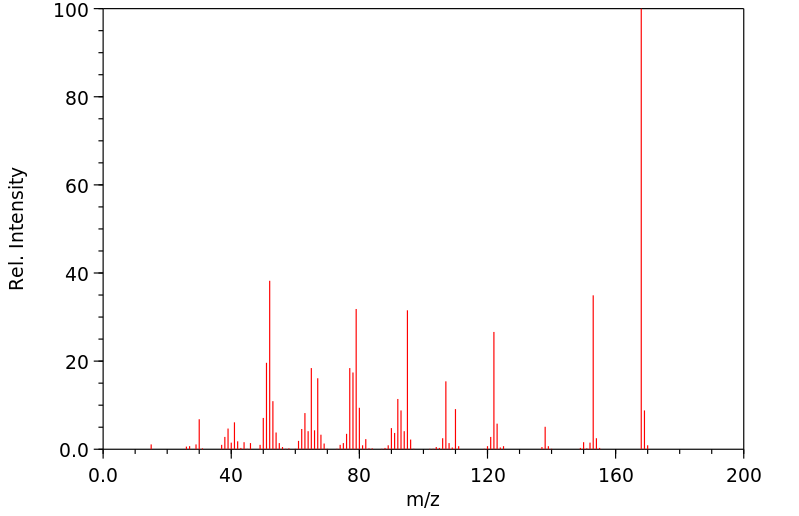
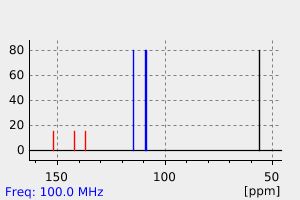
| Name: | 2-Methoxy-5-nitroaniline 99% Material Safety Data Sheet |
| Synonym: | 5-Nitro-o-anisidine; 3-Amino-4-Methoxynitrobenzene; 3-Nitro-6-Methoxyaniline |
| CAS: | 99-59-2 |
Section 1 - Chemical Product MSDS Name:2-Methoxy-5-nitroaniline 99% Material Safety Data Sheet
Synonym:5-Nitro-o-anisidine; 3-Amino-4-Methoxynitrobenzene; 3-Nitro-6-Methoxyaniline
Section 2 - COMPOSITION, INFORMATION ON INGREDIENTS | CAS# | Chemical Name | content | EINECS# |
| 99-59-2 | 2-Methoxy-5-nitroaniline | 99.0 | 202-770-5 |
Hazard Symbols: T+
Risk Phrases: 26/27/28 33
Section 3 - HAZARDS IDENTIFICATION EMERGENCY OVERVIEW
Very toxic by inhalation, in contact with skin and if swallowed.
Danger of cumulative effects.Moisture sensitive.
Potential Health Effects
Eye:
Dust may cause mechanical irritation.
Skin:
May cause skin irritation.
Ingestion:
May cause irritation of the digestive tract.
Inhalation:
May cause respiratory tract irritation.
Chronic:
May cause cancer according to animal studies.
Section 4 - FIRST AID MEASURES Eyes: Flush eyes with plenty of water for at least 15 minutes, occasionally lifting the upper and lower eyelids. Get medical aid immediately.
Skin:
Get medical aid. Flush skin with plenty of water for at least 15 minutes while removing contaminated clothing and shoes. Wash clothing before reuse.
Ingestion:
If victim is conscious and alert, give 2-4 cupfuls of milk or water.
Never give anything by mouth to an unconscious person. Get medical aid immediately.
Inhalation:
Remove from exposure and move to fresh air immediately. If not breathing, give artificial respiration. If breathing is difficult, give oxygen. Get medical aid.
Notes to Physician:
Treat symptomatically and supportively.
Antidote: None reported.
Section 5 - FIRE FIGHTING MEASURES General Information:
As in any fire, wear a self-contained breathing apparatus in pressure-demand, MSHA/NIOSH (approved or equivalent), and full protective gear. Combustible material; may burn but does not ignite readily.
Extinguishing Media:
Water or foam may cause frothing. Use foam, dry chemical, or carbon dioxide.
Section 6 - ACCIDENTAL RELEASE MEASURES General Information: Use proper personal protective equipment as indicated in Section 8.
Spills/Leaks:
Sweep up or absorb material, then place into a suitable clean, dry, closed container for disposal. Avoid generating dusty conditions.
Provide ventilation.
Section 7 - HANDLING and STORAGE Handling:
Wash thoroughly after handling. Use only in a well-ventilated area.
Minimize dust generation and accumulation. Avoid contact with eyes, skin, and clothing. Keep container tightly closed. Avoid ingestion and inhalation.
Storage:
Store in a cool, dry, well-ventilated area away from incompatible substances. Keep containers tightly closed.
Section 8 - EXPOSURE CONTROLS, PERSONAL PROTECTION Engineering Controls:
Use adequate general or local exhaust ventilation to keep airborne concentrations below the permissible exposure limits.
Exposure Limits CAS# 99-59-2: Russia: 1 mg/m3 TWA Personal Protective Equipment Eyes: Wear appropriate protective eyeglasses or chemical safety goggles as described by OSHA's eye and face protection regulations in 29 CFR 1910.133 or European Standard EN166.
Skin:
Wear appropriate protective gloves to prevent skin exposure.
Clothing:
Wear appropriate protective clothing to prevent skin exposure.
Respirators:
Follow the OSHA respirator regulations found in 29 CFR 1910.134 or European Standard EN 149. Use a NIOSH/MSHA or European Standard EN 149 approved respirator if exposure limits are exceeded or if irritation or other symptoms are experienced.
Section 9 - PHYSICAL AND CHEMICAL PROPERTIES Physical State: Powder
Color: orange to brown
Odor: None reported.
pH: Not available.
Vapor Pressure: 1.3104 mm Hg @25C
Viscosity: Not available.
Boiling Point: Not available.
Freezing/Melting Point: 117.0 - 119.0 deg C
Autoignition Temperature: Not available.
Flash Point: 200 deg C ( 392.00 deg F)
Explosion Limits, lower: N/A
Explosion Limits, upper: N/A
Decomposition Temperature: 200 deg C
Solubility in water: 2206 mg/L @25C
Specific Gravity/Density: 1.207 @156C
Molecular Formula: C7H8N2O3
Molecular Weight: 168.15
Section 10 - STABILITY AND REACTIVITY Chemical Stability:
Stable under normal temperatures and pressures.
Conditions to Avoid:
Incompatible materials, dust generation, exposure to moist air or water.
Incompatibilities with Other Materials:
Strong oxidizing agents, acids, acid chlorides, acid anhydrides, chloroformates, liquid anisidine.
Hazardous Decomposition Products:
Nitrogen oxides, carbon monoxide, carbon dioxide, nitrogen.
Hazardous Polymerization: Has not been reported.
Section 11 - TOXICOLOGICAL INFORMATION RTECS#:
CAS# 99-59-2: BZ7175000 LD50/LC50:
CAS# 99-59-2: Oral, mouse: LD50 = 1060 mg/kg; Oral, rabbit: LD50 = 1 gm/kg; Oral, rat: LD50 = 2250 mg/kg.
Carcinogenicity:
2-Methoxy-5-nitroaniline - California: carcinogen, initial date 10/1/89 Other:
See actual entry in RTECS for complete information.
Section 12 - ECOLOGICAL INFORMATION Other No information available.
Section 13 - DISPOSAL CONSIDERATIONS Dispose of in a manner consistent with federal, state, and local regulations.
Section 14 - TRANSPORT INFORMATION IATA
Shipping Name: TOXIC SOLID, ORGANIC, N.O.S.*
Hazard Class: 6.1
UN Number: 2811
Packing Group: II
IMO
Shipping Name: TOXIC SOLID, ORGANIC, N.O.S.
Hazard Class: 6.1
UN Number: 2811
Packing Group: II
RID/ADR
Shipping Name: TOXIC SOLID, ORGANIC, N.O.S.
Hazard Class: 6.1
UN Number: 2811
Packing group: II
Section 15 - REGULATORY INFORMATION European/International Regulations
European Labeling in Accordance with EC Directives
Hazard Symbols: T+
Risk Phrases:
R 26/27/28 Very toxic by inhalation, in contact with
skin and if swallowed.
R 33 Danger of cumulative effects.
Safety Phrases:
S 28A After contact with skin, wash immediately with
plenty of water.
S 36/37 Wear suitable protective clothing and
gloves.
S 45 In case of accident or if you feel unwell, seek
medical advice immediately (show the label where
possible).
WGK (Water Danger/Protection)
CAS# 99-59-2: No information available.
Canada
CAS# 99-59-2 is listed on Canada's NDSL List.
CAS# 99-59-2 is listed on Canada's Ingredient Disclosure List.
US FEDERAL
TSCA
CAS# 99-59-2 is listed on the TSCA inventory.
SECTION 16 - ADDITIONAL INFORMATION N/A