After inhlalation exposure of female Wistar rats to 4,4'-methylene diisocyanate aerosols (0.26, 0.70 and 2.06 mg/cu m chronically for three and 12 months), 4,4'methylenedianiline and N-acetyl-4,4'-methylenedianiline were the major urinary metabolites. Hemoglobin adducts of these metabolites were also detected. The dose-response relationships for hemoglobin adducts and urinary metabolites were non-linear over this dose range. The amounts of 4,4'-methylenedianiline and, to a lesser extent, N-acetyl-4,4'-methylenedianiline found in urine correlated well with the corresponding amount determined as hemoglobin adducts for all dose groups. Similar results were obtained with rats exposed for three and 12 months, indicating that a steady state had been reached by three months. Hemoglobin adducts from rats after a one-week recovery period decreased by approximately 40% for all dosed groups, suggesting that erythrocytes containing modified hemoglobin have a shorter lifespan.
This work was undertaken to investigate the usefulness of diisocyanate-related protein adducts in blood samples as biomarkers of occupational exposure to toluene diisocyanate (TDI; 2,4- and 2,6-isomers) and 4,4'-methylenediphenyl diisocyanate (MDI). Quantification of adducts as toluene diamines (TDAs) and methylenedianiline (MDA) was performed on perfluoroacylated derivatives by gas chromatography-mass spectrometry (GC-MS/MS) in negative chemical ionisation mode. TDI-derived adducts were found in 77% of plasma and in 59% of globin samples from exposed workers manufacturing flexible polyurethane foam. The plasma levels ranged from 0.003 to 0.58 nmol mL(-1) and those in globin from 0.012 to 0.33 nmol g(-1). The 2,6-isomer amounted to about two-thirds of the sum concentration of TDA isomers. MDI-derived adducts were detected in 3.5% of plasma and in 7% of globin samples from exposed workers manufacturing rigid polyurethane foam. A good correlation was found between the sum of TDA isomers in urine and that in plasma. The relationship between globin adducts and urinary metabolites was ambiguous. Monitoring TDI-derived TDA in plasma thus appears to be an appropriate method for assessing occupational exposure. Contrary to TDI exposure, adducts in plasma or globin were not useful in assessing workers' exposure to MDI. An important outcome of the study was that no amine-related adducts were detected in globin samples from TDI- or MDI-exposed workers, alleviating concerns that TDI or MDI might pose a carcinogenic hazard.
Methylenedianiline (MDA) could be identified in pooled samples of hydrolyzed plasma and urine from 10 workers exposed to MDI (it is unclear whether thermal breakdown was involved). MDA could be identified in hydrolyzed hemoglobin from 10 of 26 workers exposed to MDI (all but three <0.3 ppb; values for the other three were 1.0, 1.8 and 2.9 ppb). After alkaline extraction there were measurable amounts of acetyl-MDA (AcMDA) and lesser amounts of MDA in urine from 18 of the 26, MDA alone in 4 samples, and neither substance in 4. After acid hydrolysis the MDA levels were on average about 1/3 higher that the total of AcMDA and MDA in the previous analysis. The levels of hemoglobin adducts had no correlation to metabolites in urine. In a polyurethane production facility where air concentrations of MDI were usually below the detection limit, measurable amounts of 4,4'-MDA (0.035-0.83 pmol/mL) and AcMDA (0.13-7.61 pmol/mL) could be found in urine in 15 of 20 workers after alkaline extraction, and MDA values were 6.5 times higher after acid hydrolysis. MDA was found as hemoglobin adducts in all the examined workers, and one worker also had adducts of AcMDA. Plasma levels of 4,4'-MDA ranged from 0.25 to 5.4 pmol/mL, up to 120 fmol/mg of which was covalently bound to albumin.
Cyanide is rapidly alsorbed through oral, inhalation, and dermal routes and distributed throughout the body. Cyanide is mainly metabolized into thiocyanate by either rhodanese or 3-mercaptopyruvate sulfur transferase. Cyanide metabolites are excreted in the urine. (L96)
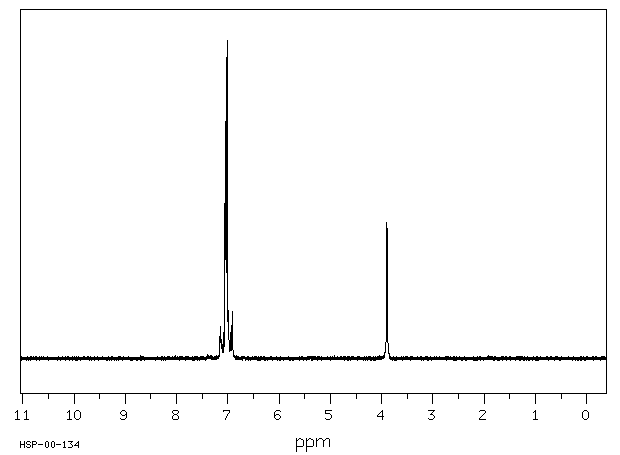
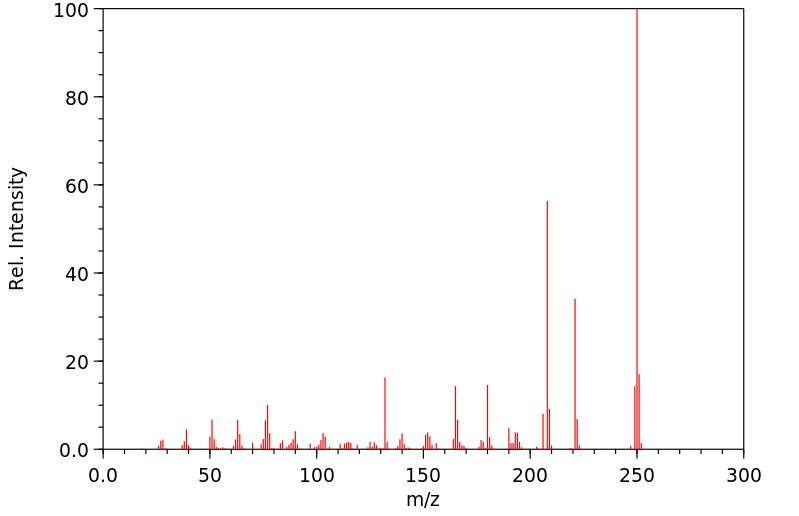
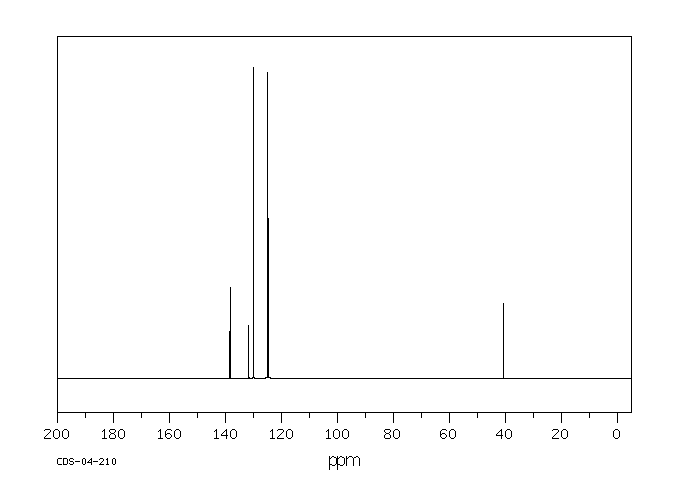
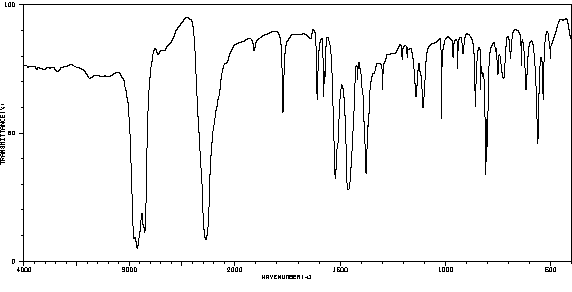
IDENTIFICATION AND USE: This chemical exists as a colorless or light yellow fused solid. 4,4'-Methylenediphenyl diisocyanate (MDI) is miscible in water, and soluble in acetone, benzene, kerosene, and nitrobenzene. The product is used to make rigid and semi-rigid polyurethane foams. Pure MDI is distilled from the reaction mixture and is used for reaction injection molding, thermoplastic elastomers, and adhesives. HUMAN EXPOSURE AND TOXICITY: MDI is irritating to skin, eyes, and respiratory passages. Nose and throat irritation has also been observed. A few cases of alveolitis have been reported in workers exposed to MDI vapors. Contact allergy and allergic contact eczema have been reported in workers exposed to MDI. Cases of asthmatic breathing have been observed in workers. Lung fibrosis is also been observed in workers exposed to MDI. Children living in proximity of an accidental MDI release had signs of sore throat, dizziness, nausea and breathing difficulties MDI is an allergic sensitizer. Workers in occupational settings have the potential for inhalation or skin contact with particles of MDI. There is inadequate evidence for the carcinogenicity of MDI in humans. ANIMAL STUDIES: There is limited evidence in experimental animals for the carcinogenicity of MDI. MDI has low oral toxicity in rats. Repeated doses of MDI for 5 days in corn oil produced slight spleen enlargement in rats. In male and female rats exposed to polymeric MDI aerosol there was increased incidences of pulmonary adenomas in high dose males. Accumulation of alveolar macrophages containing polymeric MDI were associated with retractile yellowish material, localized fibrosis and alveolar duct epithelialization and increased alveolar bronchiolization were observed in the lungs of the high dose group. A 2 yr inhalation study using a mixture of MDI and higher weight oligomers showed both male and female rats had treatment related histological changes in the nasal cavity, lungs and lymph nodes. In female rats exposed by inhalation to MDI on days 6-15 of gestation, there was a slight increase in asymmetric sternbrae at the highest dose but no adverse effect was observed on maternal weight gain, number of corpea lutea, implantation sites, pre and post- implantation loss, fetal or placental weight, gross abnormalities or degree of ossification. MDI was tested for mutagenicity in Salmonella typhimurium strains TA98, TA100, TA1535 and TA1537 in the presence or absence of metabolic activation. The chemical was negative for mutagenicity. MDI in the micronucleus assay was negative for mutagenicity.
Cyanide is an inhibitor of cytochrome c oxidase in the fourth complex of the electron transport chain (found in the membrane of the mitochondria of eukaryotic cells). It complexes with the ferric iron atom in this enzyme. The binding of cyanide to this cytochrome prevents transport of electrons from cytochrome c oxidase to oxygen. As a result, the electron transport chain is disrupted and the cell can no longer aerobically produce ATP for energy. Tissues that mainly depend on aerobic respiration, such as the central nervous system and the heart, are particularly affected. Cyanide is also known produce some of its toxic effects by binding to catalase, glutathione peroxidase, methemoglobin, hydroxocobalamin, phosphatase, tyrosinase, ascorbic acid oxidase, xanthine oxidase, succinic dehydrogenase, and Cu/Zn superoxide dismutase. Cyanide binds to the ferric ion of methemoglobin to form inactive cyanmethemoglobin. (L97)
Evaluation: There is inadequate evidence for the carcinogenicity of 4,4'-methylenediphenyl diisocyanate or polymeric 4,4'-methylenediphenyl diisocyanate in humans. There is limited evidence in experimental animals for the carcinogenicity of a mixture containing monomeric and polymeric 4,4'-methylenediphenyl diisocyanate. Overall evaluation: 4,4'-Methylenediphenyl diisocyanate (industrial preparation) is not classifiable as to its carcinogenicity in humans (Group 3).
WEIGHT OF EVIDENCE CHARACTERIZATION: Under U.S. EPA's 1996 Guidelines for Carcinogenic Risk Assessment, monomeric MDI or polymeric MDI (PMDI) would be classified as not classifiable or a Group D chemical. Under U.S. EPA's 1996 Proposed Guidelines for Carcinogenic Risk Assessment, the carcinogenic potential of MDI/PMDI would be characterized as "cannot be determined, but for which there is suggestive evidence that raises concern for carcinogenic effects" on the following basis. The increased incidence of pulmonary adenomas in male (6/60) and female (2/59) Wistar rats [strain Cpu:WU] and one pulmonary adenocarcinoma in a male rat, all exposed to the highest concentration in a lifetime chronic inhalation study involving PMDI, suggest that PMDI has tumorigenic potential. However, the tumorigenic results, coupled with evidence that methylene diphenyl aniline (MDA) a known animal carcinogen and the principal reaction product of MDI, is found in blood of MDI-exposed rats and nonhydrolyzed urine of PMDI/MDI-exposed humans increases concern about the carcinogenic potential of PMDI/MDI. The available human evidence is inadequate to describe the carcinogenic potential of PMDI/MDI. HUMAN CARCINOGENICITY DATA: Inadequate. ANIMAL CARCINOGENICITY DATA: Limited.
Following topical administration of (14)C 4,4'methylenediphenyl diisocyanate in acetone to female Wistar rats, 20% of the administered dose was eliminated in the feces within 24 hours, while less than 1% appeared in the urine.
Polyurethanes (PU) are polymers made with diisocyanates such as MDI (4,4'-methylene diphenyl diisocyanate) and TDI (2,4-toluene diisocyanate and 2,6-toluene diisocyanate). Investigations have been undertaken with MDI and TDI to assess dermal uptake and resulting systemic exposure. Absorption, distribution and excretion of MDI was studied in rats using a single dermal administration of (14)C-MDI dissolved in acetone at nominal 165 mg/kg body weight and 15 mg/kg bw (4.0 and 0.4 mg/sq cm) and intradermal injection of (14)C-MDI dissolved in corn oil at nominal 1.4 mg/kg bw. Dermal absorption of (14)C-MDI (at both doses) was low; at or below 1% of the applied dose. Considerable amounts of the applied radioactivity were found at the application site which could not be washed off. By intradermal administration of (14)C-MDI approximately 66% of applied radioactivity remained at the application site with approximately 26% recovered in excreta, cage wash, tissues and carcass. The absorption, distribution and excretion of 2,4-TDI was studied in rats following a single dermal administration of radiolabelled (14)C-2,4-TDI at nominal 350 mg/kg body weight (12 mg/sq cm). Dermal absorption of (14)C-2,4-TDI was at or below 1% of the applied dose. Considerable amounts of the applied radioactivity were found at the application site which could not be washed off. In summary the results show that dermal uptake of MDI and TDI is very low. Due to the chemical reactivity of isocyanates it can be expected that small amounts which might be absorbed will react with tissue constituents directly at the exposed skin area, or will be converted to adducts with biomacromolecules or to biologically inactive oligoureas. Overall it is concluded that, following dermal exposure to MDI and TDI, systemic exposures and resulting toxicity, other than the known sensitization, can be expected to be very low. In addition studies were performed with dermal application of unlabelled 2,4 and 2,6 TDI to check the availability and fate of this chemical on rat skin surface and to assess possible tissue damage. These experiments showed that unchanged test material can be detected on rat skin for up to 8 hr if not washed off. Dermal treatment with 2,4 or 2,6 TDI was associated with irritation with increased severity over a 48 hr period after washing with a decontaminant solution.
PROCESS FOR THE PREPARATION OF N-SUBSTITUTED CARBAMIC ACID ESTER AND PROCESS FOR THE PREPARATION OF ISOCYANATE USING THE N-SUBSTITUTED CARBAMIC ACID ESTER
Bishydroxyureas are provided that inhibit the enzyme 5-lipoxygenase. These compounds have the formula I ##STR1## wherein R.sub.1, R.sub.2, R.sub.3, R.sub.4, A and M are defined herein. Also disclosed are pharmaceutical compositions containing such compounds and methods of inhibiting the enzyme 5-lipoxygenase using such compounds.
[EN] PROCESS FOR PREPARING ISOCYANATE COMPOUND<br/>[FR] PROCÉDÉ DE PRÉPARATION D'UN COMPOSÉ ISOCYANATE
申请人:BASF SE
公开号:WO2016177761A1
公开(公告)日:2016-11-10
The present invention relates to a process for the preparation of an isocyanate compound comprising the steps of: a) Reacting an amine compound A having at least one primary amino group with CO2 and an organotin compound S having at least one radical OR3 attached to the tin atom of the organotin compound, wherein R3 is a C-bound organic radical having from 1 to 30 carbon atoms, wherein 1, 2 or 3 carbon atoms may be replaced by oxygen or nitrogen, to convert at least one of the primary amino groups in the amine compound A into a carbamate group, thereby obtaining a carbamate compound C; b) cleavage of the carbamate groups in the carbamate compound C obtained in step a) to form the isocyanate compound and an alcohol R3OH, without separation of the tin compound formed in step a); c) obtaining the isocyanate compound from the reaction mixture of step b).
[EN] NEW PROCESS OF PREPARATION OF POLYOLS AND POLYAMINES, AND PRODUCTS AS OBTAINED<br/>[FR] NOUVEAU PROCÉDÉ DE PRÉPARATION DE POLYOLS ET DE POLYAMINES, ET PRODUITS OBTENUS
申请人:CENTRE NAT RECH SCIENT
公开号:WO2013072436A1
公开(公告)日:2013-05-23
The present invention relates to the use of a compound of formula (I) : wherein: - R represents –OH or –NH2;- A1 represents a divalent alkylene radical, straight or branched, having from 2 to 20 carbon atoms; - A2 represents a divalent alkylene radical, straight or branched, having from 1 to 20 carbon atoms; - X1 and X2 represent, independently of each other, –NH- or –O-;- A3 represents a divalent alkylene radical, straight or branched, having from 1 to 10 carbon atoms; - Z represents a hydrogen or a group of formula (A'): wherein A1, A3 and R are as defined above in formula (I), for the preparation of a polymer chosen among polyurethane, polyester and polyamide.
METHODS AND COMPOSITIONS FOR MAKING AN AMINO ACID TRIISOCYANATE
申请人:Warsaw Orthopedic, Inc.
公开号:US20150197488A1
公开(公告)日:2015-07-16
A method of making an amino acid triisocyanate is provided, the method comprising reacting an amino acid trihydrochloride with phosgene to form the amino acid triisocyanate. In some embodiments, the amino acid trihydrochloride comprises lysine ester trihydrochloride salt and the amino acid triisocyanate comprises lysine ester triisocyanate. In some embodiments, there is a lysine ester triisocyanate having a purity of at least about 98%, the lysine ester triisocyanate having a structure resulting from reacting lysine ester trihydrochloride salt with phosgene to form the lysine ester triisocyanate. These lysine ester triisocyanates can be used to make biodegradable polyurethanes.
The invention provides a process for preparing isocyanates by reacting amines with phosgene, wherein the amine or a mixture of amine and a solvent is mixed in the form of an aerosol with gaseous phosgene and the amine is subsequently reacted with phosgene.